
Leadership
Welcome to the Clinical Network Collaborative
Hello, and welcome.
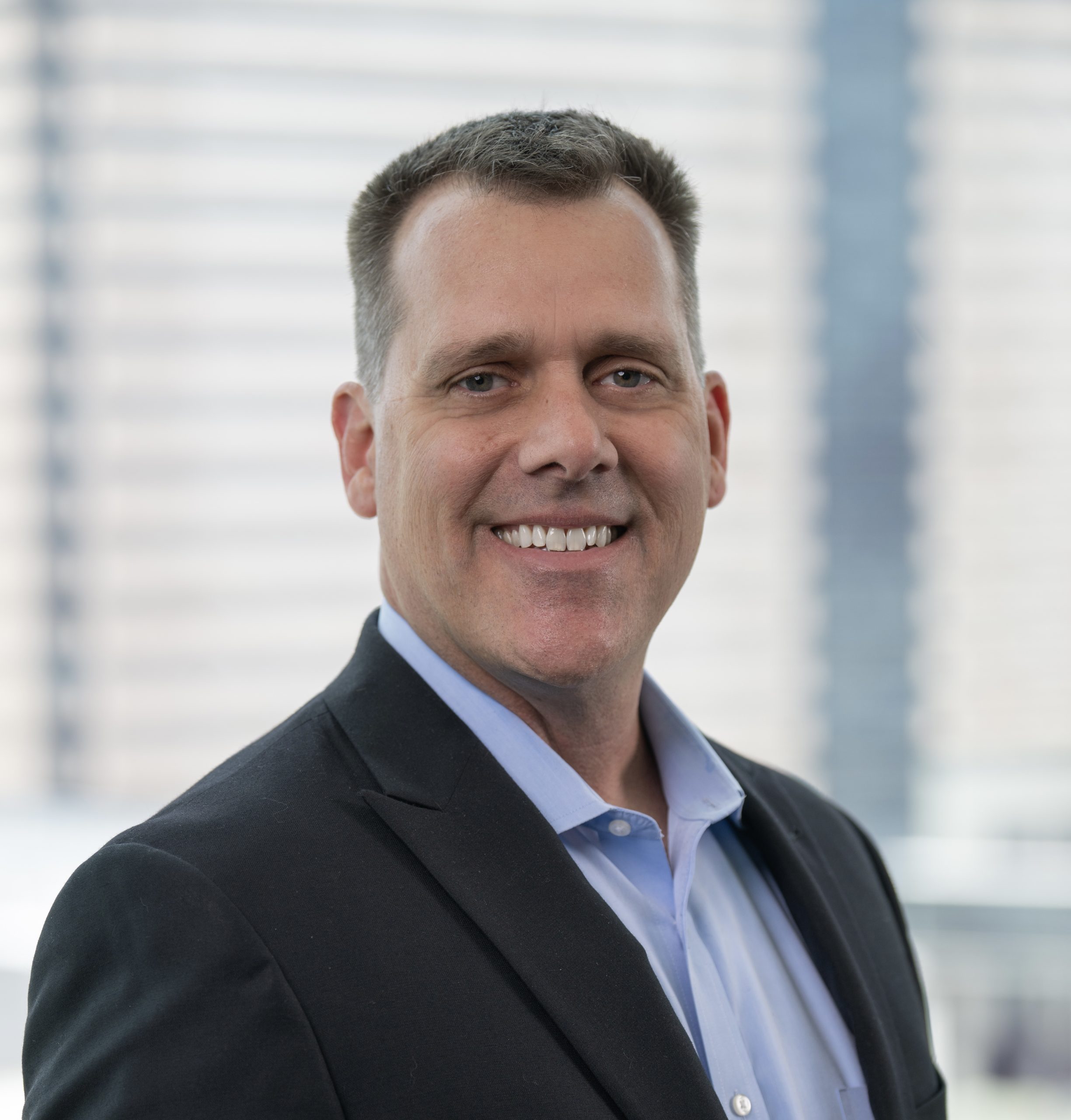
My name is David Foster. I am a family physician, physician executive, and founder of the Clinical Network Collaborative.
Like many physicians, I began my career with one simple purpose: to care for patients.
It did not take long to realize that providing excellent care depended on much more than the decisions I made in the exam room. Every day, I found myself confronting the challenges of delivering healthcare—access, staffing, communication, operational processes, governance, payment models, and the countless organizational factors that influence the care our patients receive.
At first, those challenges were frustrating.
When I shared my concerns with colleagues, I often heard the same advice: "Control what you can control."
That advice changed the trajectory of my career.
Rather than accepting frustration as an unavoidable part of practicing medicine, I decided to better understand the system in which I practiced and learn where I could make a meaningful difference.
That decision eventually led me from clinical practice into physician leadership, governance, executive management, and health system transformation.
Over more than three decades, I have had the privilege of serving as a physician, medical director, chief medical officer, medical group president, physician enterprise executive, governing board member, and strategic advisor. Along the way, I earned an MBA because I believed physicians could strengthen their influence by learning to speak both the language of medicine and the language of organizational leadership.
Every role taught me the same lesson.
Healthcare improves when we improve the organizations that deliver it.
What I Learned
Throughout my career, I have discovered that our greatest challenges are rarely clinical problems alone.
Most are organizational.
Communication.
Leadership.
Trust.
Governance.
Alignment.
Relationships.
Learning.
These challenges rarely exist within a single department or profession. They emerge where people, teams, and organizations intersect.
That realization fundamentally changed how I think about healthcare transformation.
I no longer see healthcare as a collection of independent practices, departments, hospitals, or organizations.
I see healthcare as a living network of relationships.
Every patient depends upon clinicians, operational teams, administrators, governing boards, community partners, and many other professionals working together toward a common purpose.
Healthcare is, and always will be, a team sport.
The stronger those relationships become, the stronger our organizations become.
The stronger our organizations become, the better we care for our patients.
What I Believe
Those experiences led me to create the Clinical Network Collaborative.
The Clinical Network Collaborative exists because I believe better patient outcomes begin with better organizations.
Better organizations are built on trust, strengthened through leadership, and transformed through communication that engages and activates the clinical enterprise.
When I use the phrase clinical enterprise, I mean every person, every function, and every relationship required to deliver care.
While clinicians are central to that enterprise, we are never alone.
Our work depends upon administrative leaders, operational teams, governing boards, information technology, finance, human resources, quality professionals, community partners, and many others whose contributions make exceptional care possible.
Likewise, I believe healthcare exists within networks of relationships—not only within our organizations but between organizations that share responsibility for caring for the same patients and communities.
Whether those relationships involve medical groups, health systems, clinically integrated networks, accountable care organizations, employers, community partners, or payor organizations, our opportunity is the same: learn together, share expertise, align around a common purpose, and improve the health of the communities we serve.
Transformation occurs at the intersection of those relationships.
That is why collaboration is more than one of our values.
It is our methodology.
How We Help Organizations
The Clinical Network Collaborative helps healthcare organizations become learning organizations.
Rather than focusing on isolated initiatives, I help organizations strengthen the capabilities that enable continuous improvement.
Together, we build trust.
We develop leaders.
We strengthen governance.
We improve communication.
We engage and activate the clinical enterprise.
We strengthen the relationships that exist within organizations and networks.
Those capabilities are brought together through the Clinical Network Collaborative Operating System (CNC-OS)—an integrated leadership methodology that transforms communication into organizational learning and organizational learning into sustained organizational capability.
The CNC-OS includes:
- Leadership Learning System™
- Leadership Communications System™
- Communications Cascade™
- Leadership Communication Coverage Index (LCCI™)
- Clinical Enterprise Framework™
- Physician Engagement & Activation Framework™
- Governance Excellence Framework™
- CNC Executive Operating Dashboard™
Together, these frameworks help organizations strengthen trust, improve leadership, align strategy, engage the clinical enterprise, and continuously improve patient outcomes.
An Invitation
The Clinical Network Collaborative is more than a consulting practice.
It is an invitation.
An invitation to think differently about healthcare.
An invitation to strengthen relationships rather than silos.
An invitation to learn together rather than solve problems in isolation.
An invitation to build organizations that become more capable with every challenge they encounter.
If these ideas resonate with you, I invite you to join the conversation.
Subscribe to our newsletter.
Explore the CNC Operating System.
Challenge these ideas.
Share your own experiences.
Together, we can build stronger organizations that deliver better care for the patients and communities we have the privilege to serve.